I am laying here, still awake, in the nearly-complete darkness of five o’clock AM, listening to the sound of seventeen rhythmless four year-olds playing death metal ballads on the metal roof of our bungalow with rubber mallets. It has rained — jungle rained — all night, and for some insidious reason the architect of this bungalow decided that the roof of a much taller structure should should drop a constant patternless cacophony of water directly onto the tin roof above our heads.
If white noise is relaxing, this could only be described as more of a phlegmatic yellow noise.
Why, when I wake in the middle the night, can I not at least conjure happy thoughts? Even if I can meditate, control my breathing and quiet my howling monkey-mind, it is only a brief state. Then in sneaks the ongoing fight with our last AirBnB host, the stupid shit I may have said at a dinner party fifteen years ago, and the continuous loop of a half-remembered chorus of the worst sitcom jingle ever recorded.
Shit.
Where is my tiniest shred of Buddha nature tonight?
It is just too hard to find, so I switch to thinking about surf.
And surfing.
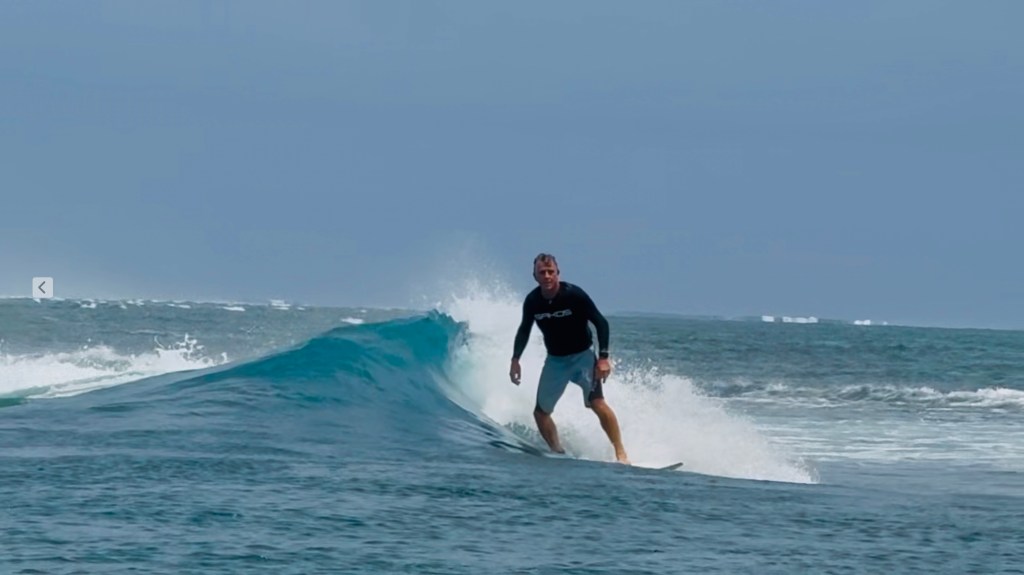
I was asked the question five or six or ten years ago, whether I would rather give up surfing or kiteboarding if I could only do one. My answer was very unpopular with the kiteboarders I was hanging out with: I would give up kiteboarding in a heartbeat for surf if I had to choose. Thankfully, I do not have to choose. I have not. I hope I never have to.
But, if I did…
Surf.
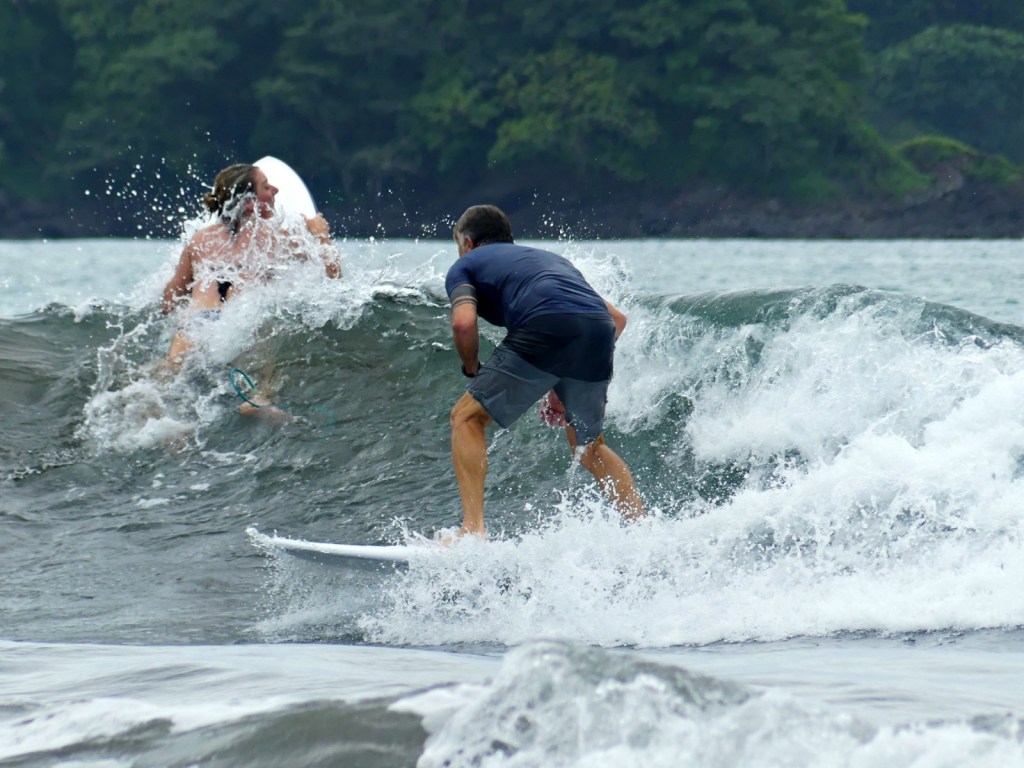
Surfing requires a certain fluidity, an ability to adapt to changing conditions that are outside our ability to control.
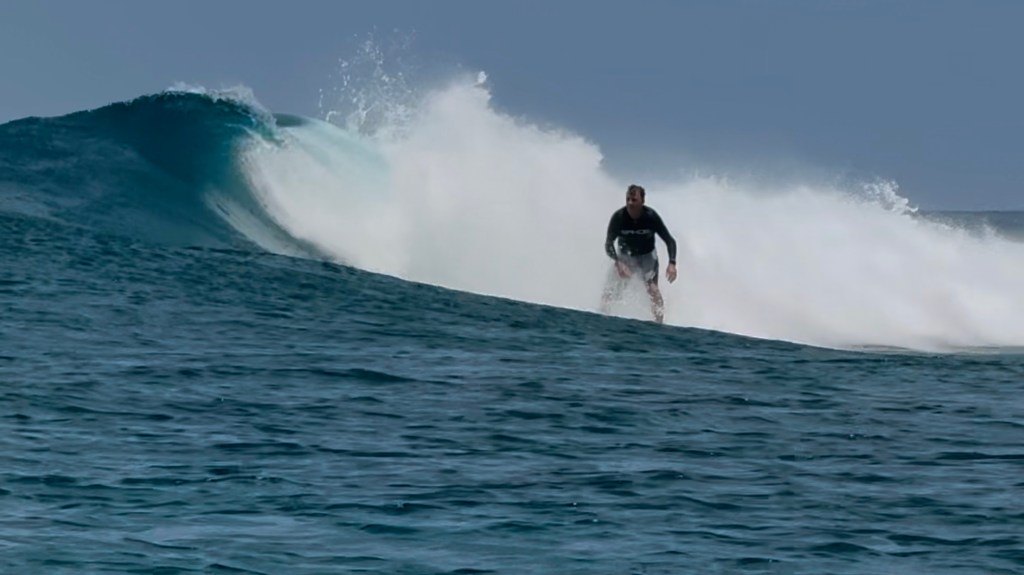
Every wave is different. It’s not just that every wave is different geographically, but every single wave that drags its belly on your home reef, or beach, or cobblestone point will behave differently. You can surf the same break for years, and every wave you catch will have a different nature, pushed a bit more or less by the tide, reacting to a subtle change in the sandbar, or held up the tiniest bit more by an offshore wind. Each factor creates a new and different energy and nature, and the challenge of riding it is to adapt in that moment, to accept the wave as it’s presented rather than to try to force the ride on some preconceived idea from the previous one.
I can’t control the wave, and I certainly can’t change it, and in this lies the crux: It is for the surfer to read it, and flow with it. To convert the force and the power of a wave into motion, the surfer has to fully accept what it offers and work in harmony with what is offered.
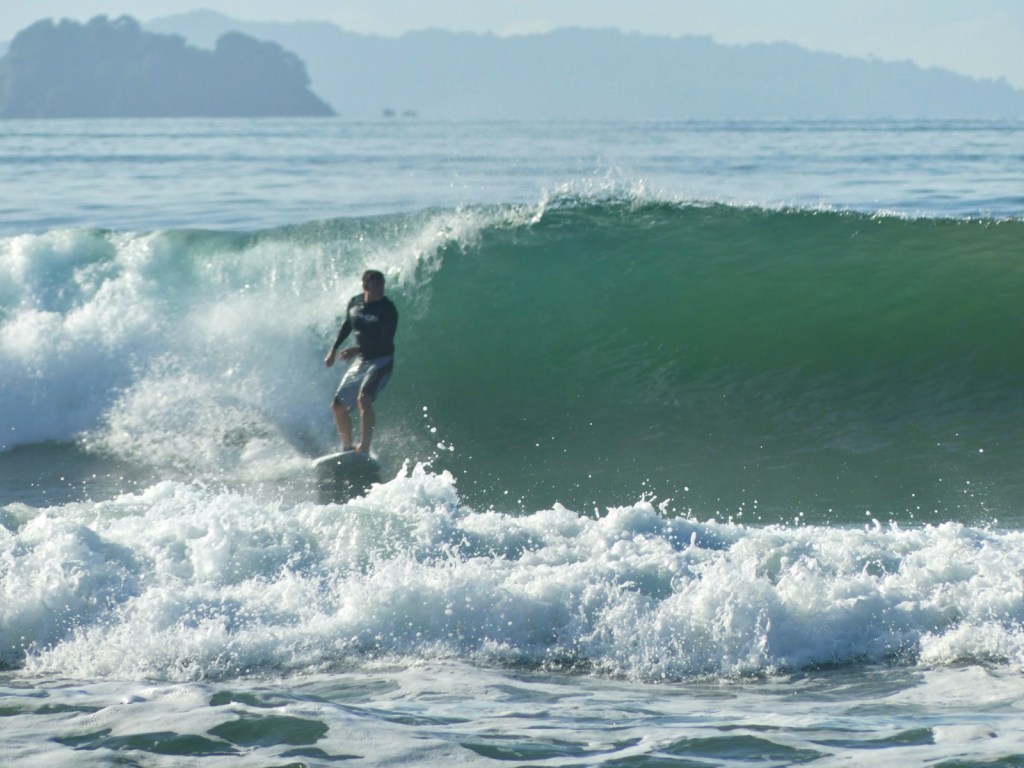
Surfing is hard.
For so many reasons.
Just the act of paddling out through surf, just to get outside the takeoff, to actually get in position to catch a wave, is hard. Duck diving, turning turtle, or even just bailing off your board and diving as deep as you can when it gets too heavy are the techniques to get you outside the takeoff, and every one of them requires some combination of strength, precision, and practice.
And each one of those techniques done poorly will result in a proper beat down by the passing waves. Some of my worst times in the surf have not been from wiping out while riding the wave, but just poor timing while paddling out.
And then comes the joy of wiping out on a wave and getting caught inside. Then you will be in the “impact zone”, which is that place hated by all surfers, when you are in the spot where the waves break and land directly on your head.
It will feel like a special kind of hell to paddle your way out of heavier surf from there.
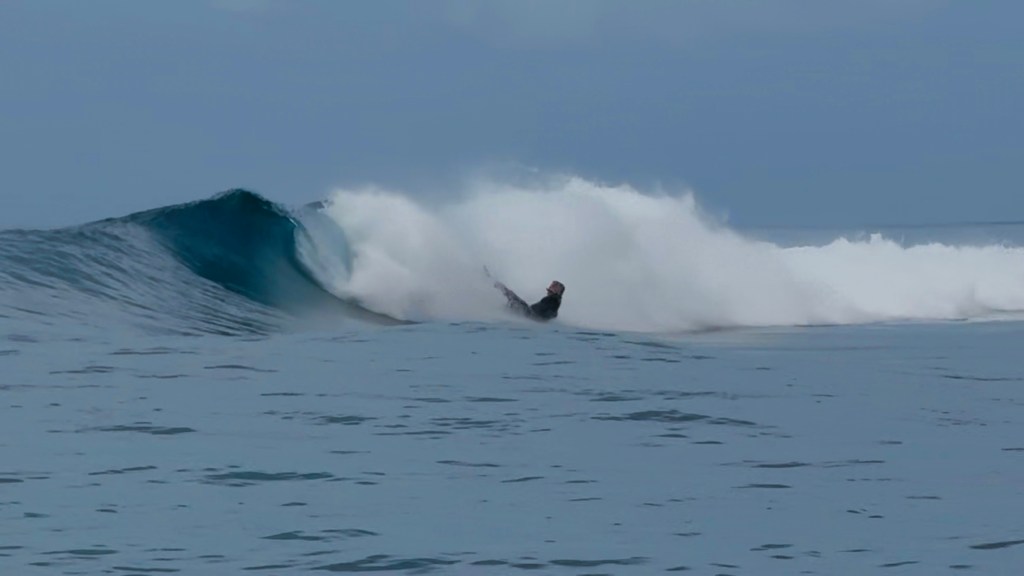
When I am caught inside by a clean-up set or a wipeout from a botched takeoff, I regularly battle with my more barnyard-fowl instincts to kook out, turn around, and get pushed in over the reef by the broken wave. This is almost never a reasonable option, particularly on reef breaks. Instead, I keep paddling out, scraping hard towards the outside, taking wave after wave on the head, and eventually (hopefully) claw my way through into the lineup, too exhausted to turn around and paddle for another wave for the next five minutes. As exhausting and sometimes terrifying as it may be, it is still highly preferred to being pushed in over a shallow reef.
Which does still happen occasionally.
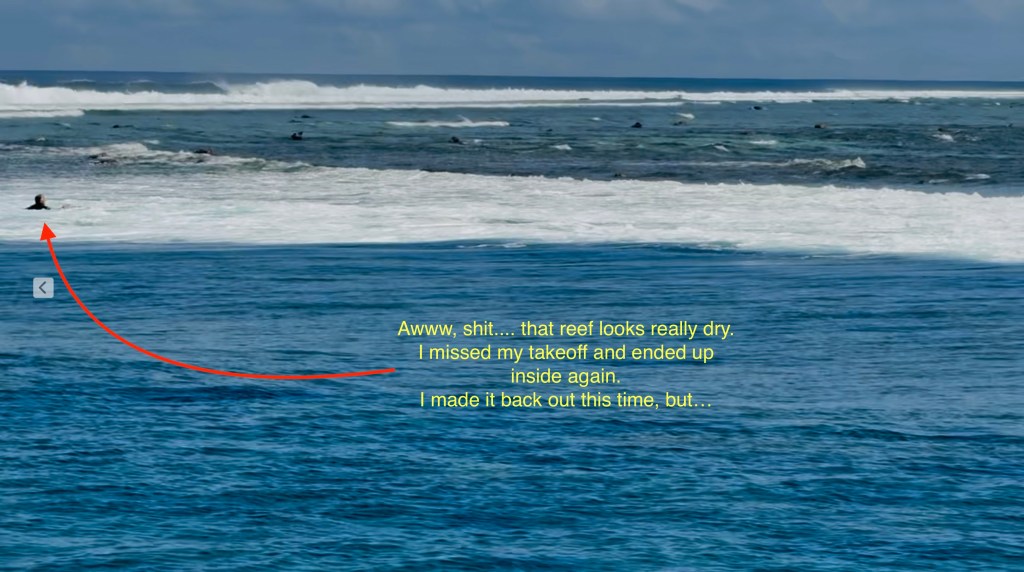
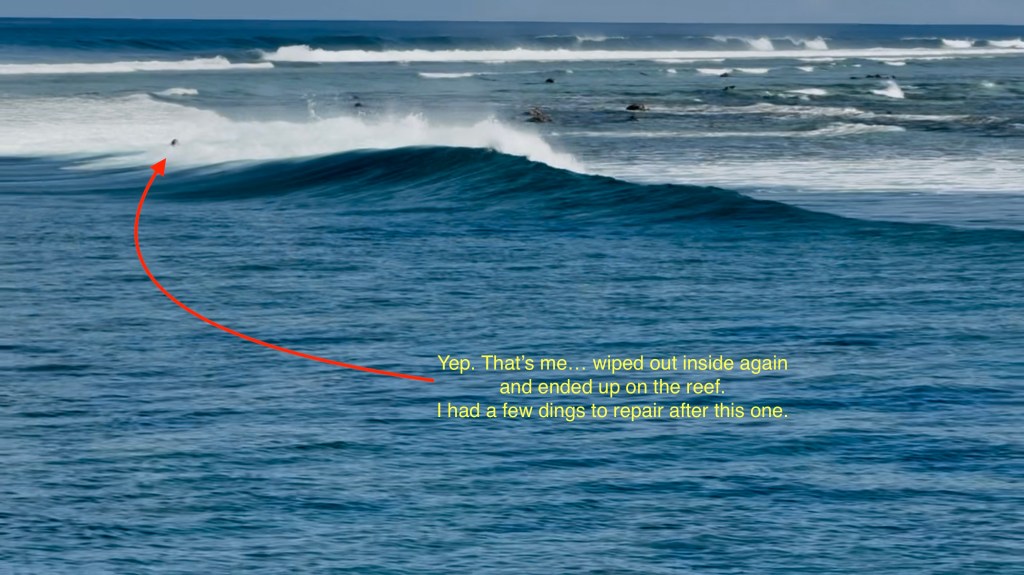
Shallow reefs are bad.
So, with all this in mind, surfing requires conditioning. This can be the tough part, especially as I get a little creakier and lazier. You need the conditioning to paddle, and paddle, and paddle, then paddle a few more strokes until you think you are on the wave and ready to stand up, then take a few more paddle strokes. Now pop up. Repeat that a few times alternating with a ten minute paddle back out each time and you realize just how poor your conditioning has become with your advanced age.
Especially after years away from surfing.
The act of popping up on a surfboard is hard.
I love that we call it “popping up”. For some young, flexible, in-shape people that is exactly what it looks like: so quick and fluid. Nobody watching me drag my scrappy, nearly-sixty year old carcass into a standing position on a surfboard would call it that. It requires timing and finesse, and balance, and well-coordinated coordination, not to mention a bit of luck on bumpy waves. Popping up on a surfboard happens in a half-second, while you are skipping down the impossibly steep face of the wave, the whole time with the wave crashing beside you.
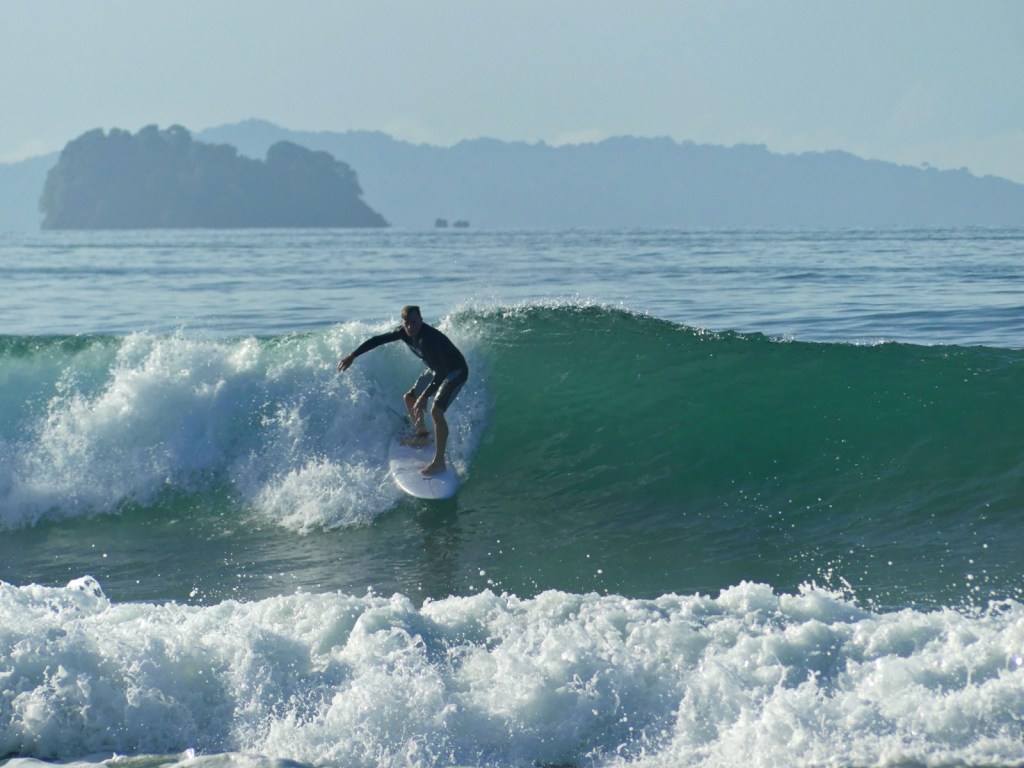
Yes, timing. And luck. All of which I tend to be in short supply of some days.
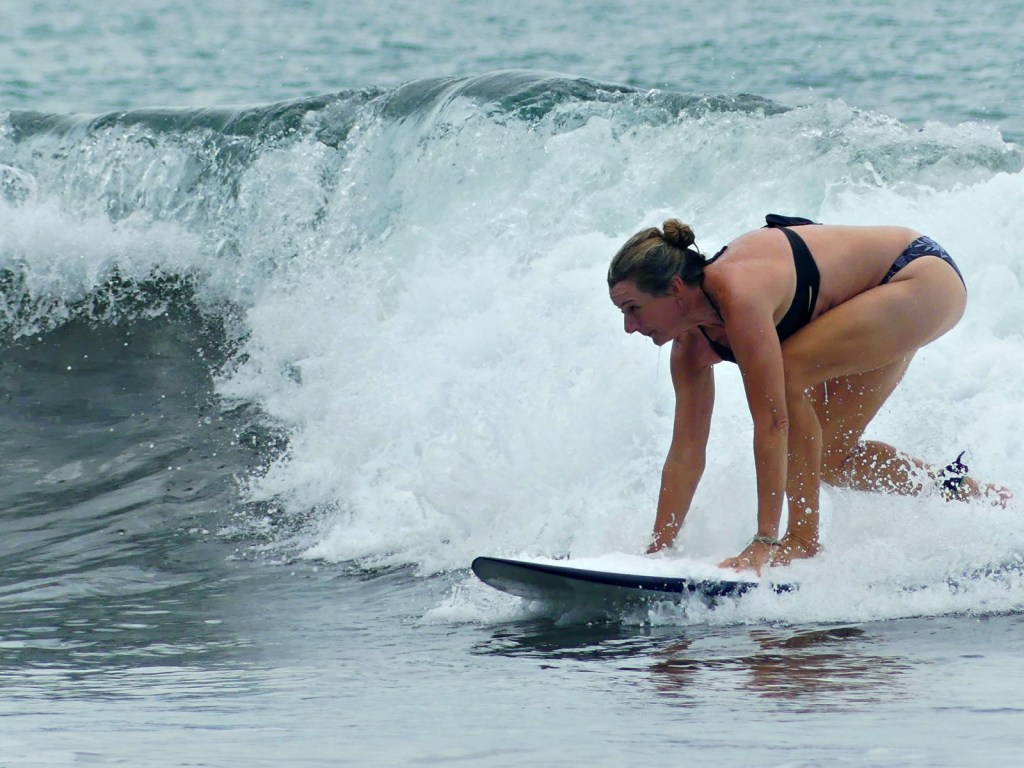
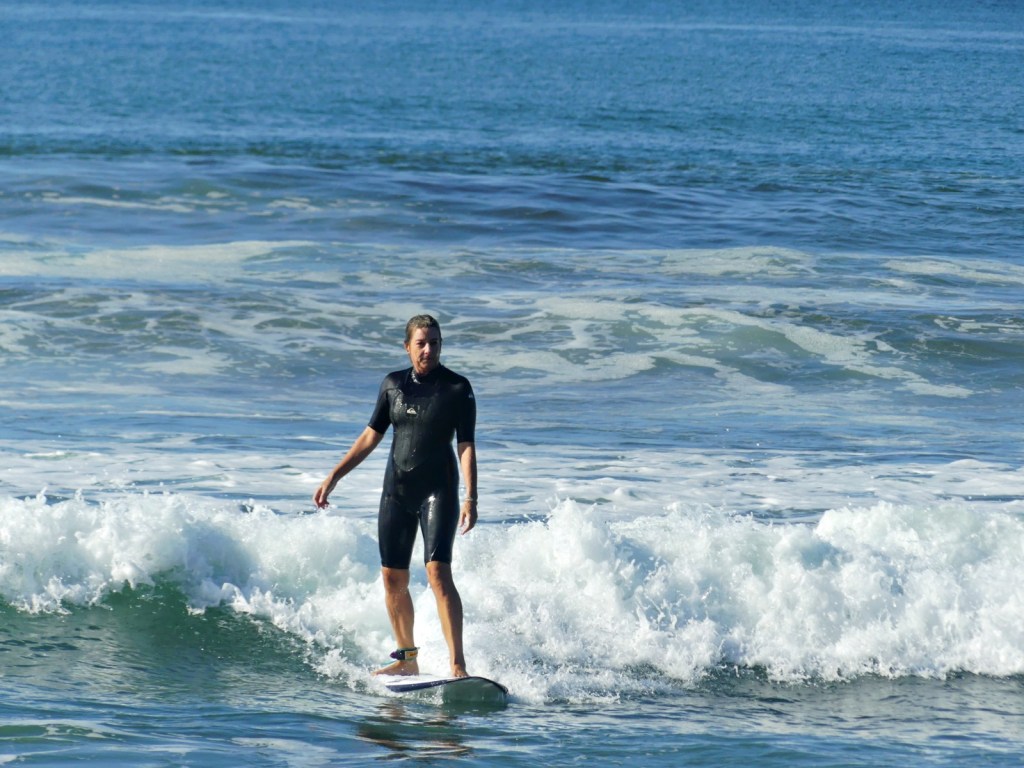
Surfing — the part where you are actually standing on your board moving along in front of the wave — is done in such small increments of time. Even taking into account the mystical adrenaline-fueled time dilation that we are in constant search of, most rides on a wave last no longer than a handful of seconds. It takes a lot of paddling out, paddling on, and popping up to amass even a minute of time spent on your feet on most waves.
Those few seconds don’t leave a lot of time to learn to read waves, make turns, and surf smoothly. The learning curve can be brutal. And long.
Surfing is scary.
At least it is for me.
I am always envious when I see surfers paddle out on bigger, heavier days, looking generally nonchalant and unconcerned. I always feel like I am the ball in an epic table-tennis doubles match between Euphoria and Salvation vs. Panic and Annihilation — when they were all in their angsty teen years. I have struggled my entire life with a near-debilitating fear of being restrained or confined, being unable to move my arms and legs for escape.
Sometimes waves do exactly that. They tumble and thrash you. They hold you down. Under water. Sometimes it gets dark down there.
It never ceases to amaze me how quickly my childhood demons start dancing on my spine when I am in the dark water under a wave. Often, it takes everything I have to keep my shit together, to remind myself that I won’t be under there too long, and that I can actually hold my breath far longer than necessary in most cases. If I give in to the panic it just takes away what little breath I may have.
So I just don’t let the panic in…
it is a struggle for me.
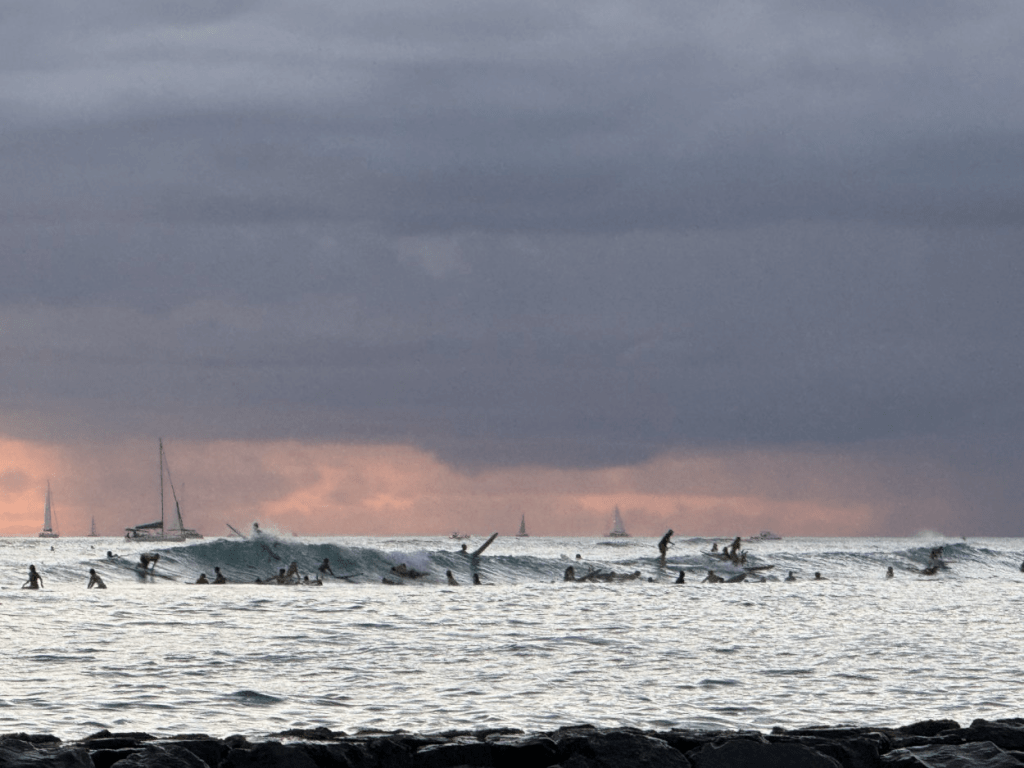
Surfing is crowded.
These days, it seems like most breaks are populated by so many people. There are invariably the surf schools: the instructor(s) pushing a dozen students straight into every wave, like a butcher pushing sides of beef onto a conveyor belt for packaging. There is an innocence on the part of the new surf student, but the schools lack the courtesy of restraint. Worse, though, are the outsized egos, those testosterone-fueled twenty-somethings mad-dogging and paddling all over me, snaking me on waves that I have been patiently sitting on the peak waiting what seems like forever to catch. All this because I am old enough now — and slow enough — that I just don’t enjoy competing in the lineup like that.
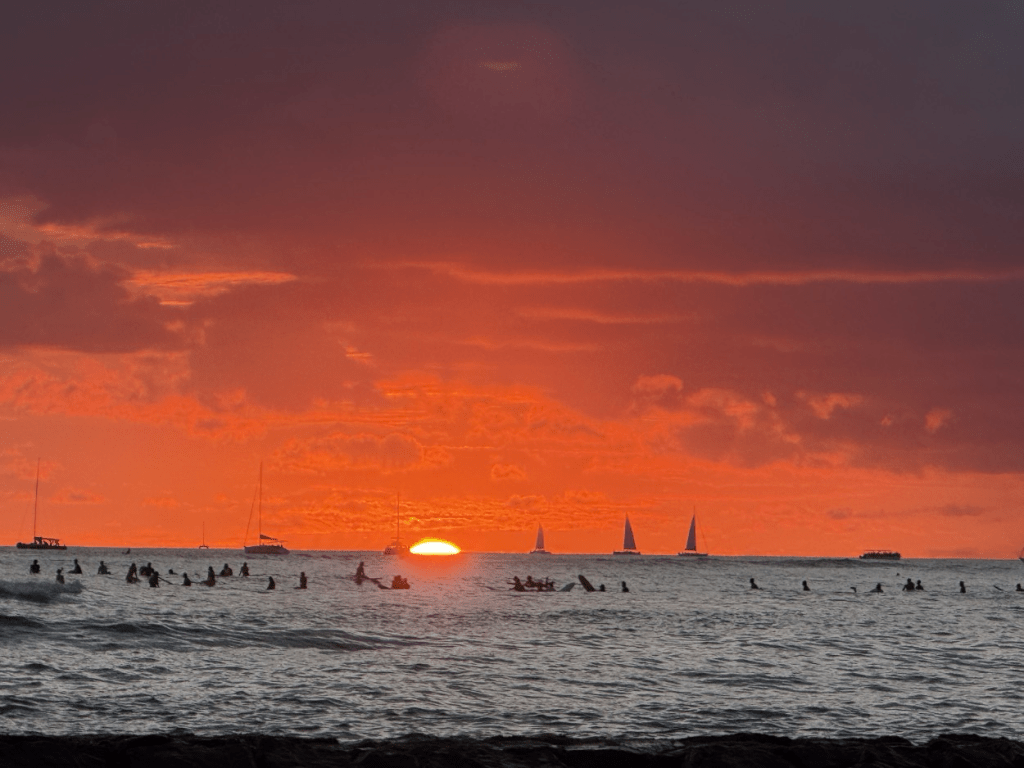
Truth be told, I never really have enjoyed being competitive in the lineup because I have just never been that good a surfer. I travel now to try to find the uncrowded surf. If I went toe to toe with the locals to take a wave, I may blow the takeoff anyway. Then I am “that kook” and will probably never get another wave at that particular break. Or get beat up in some LA County parking lot… I’m not much of a fighter.
And that brings up localism…
It exists. It is real. And, honestly, I get it. Surfing has become so overpopulated by the optimistic surf explorer and the outsized-egomaniac that there just isn’t much room left out there. If I were the one that had spent my entire life in one small third-world beach town, without the resources to do multiple international surf trips every year, I would probably be a bit bitter about the crowds and the bad behavior in my lineup as well.
I can empathize with this one.
Funny thing is, it is generally not the locals snaking and dropping in, mad-dogging and acting like asses. It seems like it is generally the aforementioned surfers bringing the bad behavior. I have always deferred to the locals: A smile and a shaka, and the willingness to back off the best waves for them is all it takes most times. I still have memorable friendships from countries all over the world that grew out of this willingness to respect and appreciate a local surfer.
I will take that friendship over that one wave any day.
So, why the hell do I surf?
I feel like I haven’t really sold you on it here.
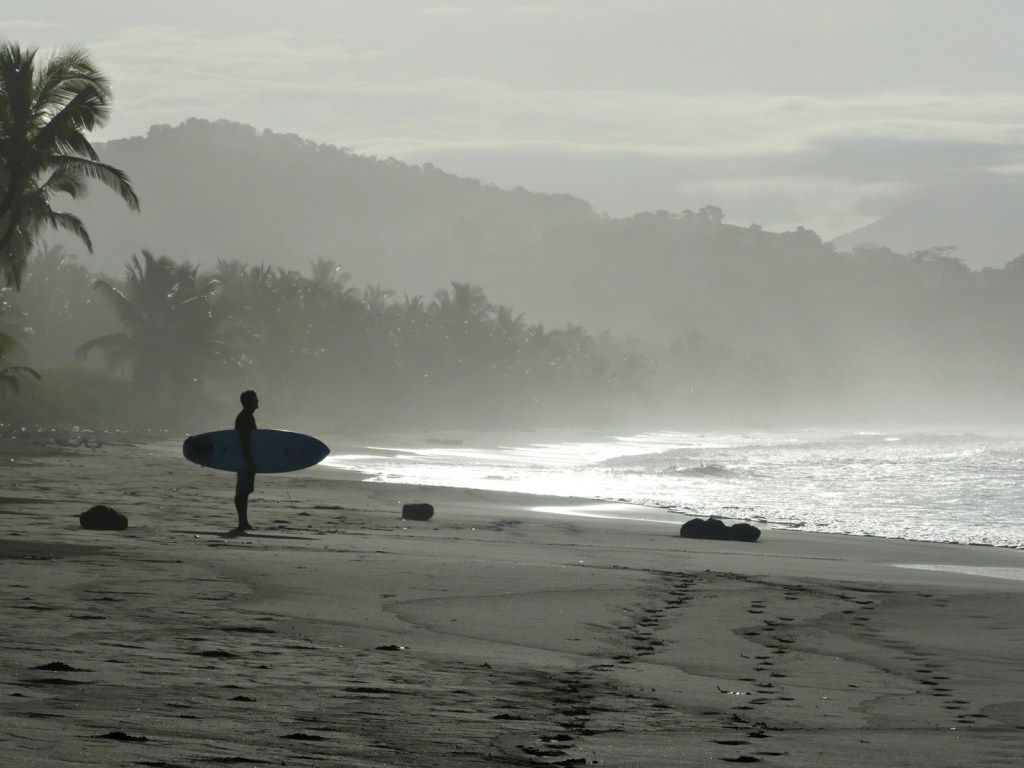
The reason I love to surf is, in fact, the result of the ability to overcome all of these observations.
I have always believed that reward is a direct result of our ability to overcome adversity. It is the attainment of success in spite of the difficulty of surfing that brings me the greatest satisfaction. It is that pure exhilaration of finally scratching outside after a hellish paddle-out, or the feeling of the perfect popup and ride on a wave that terrifies me to the core.
It is the ability to find a state of relaxation and no-mindedness on a moving medium of chaos and noise.
All of this requires an ability to quiet the noise in my head as my amygdala cascades its terror into my adrenals. On those days when I can quiet that pesky anxiety-ridden amygdala, the reward is clarity: perfect, quiet, universal, it is the kind of clarity that allows one a view into our place in the universe.
Yes, there are so many people in the lineup, with their own personal demons and their own variety of bad behavior, but there is also respect, comeraderie, and friendship to be found. Some of the most memorable smiles I have ever seen in the lineup were the ones from someone truly having fun surfing, or someone truly grateful for the very small act of giving them the wave of the day when it was yours to take. I have lifelong connections with people from all over this planet because of this ridiculous activity that we partake in.
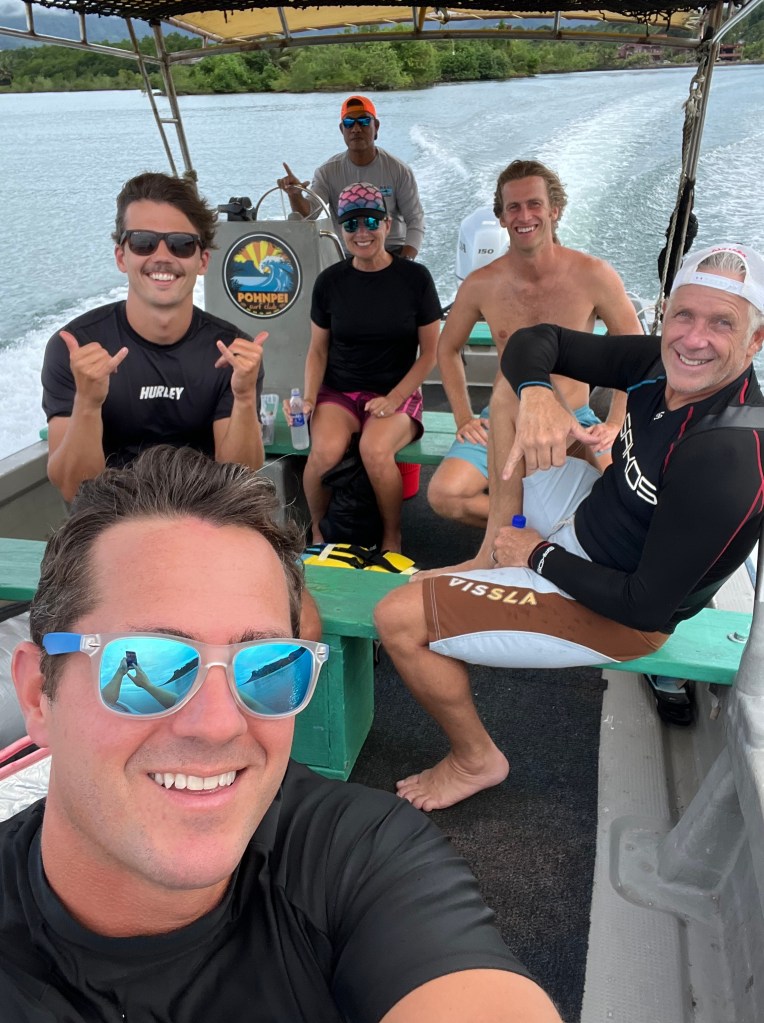
And it is ridiculous.
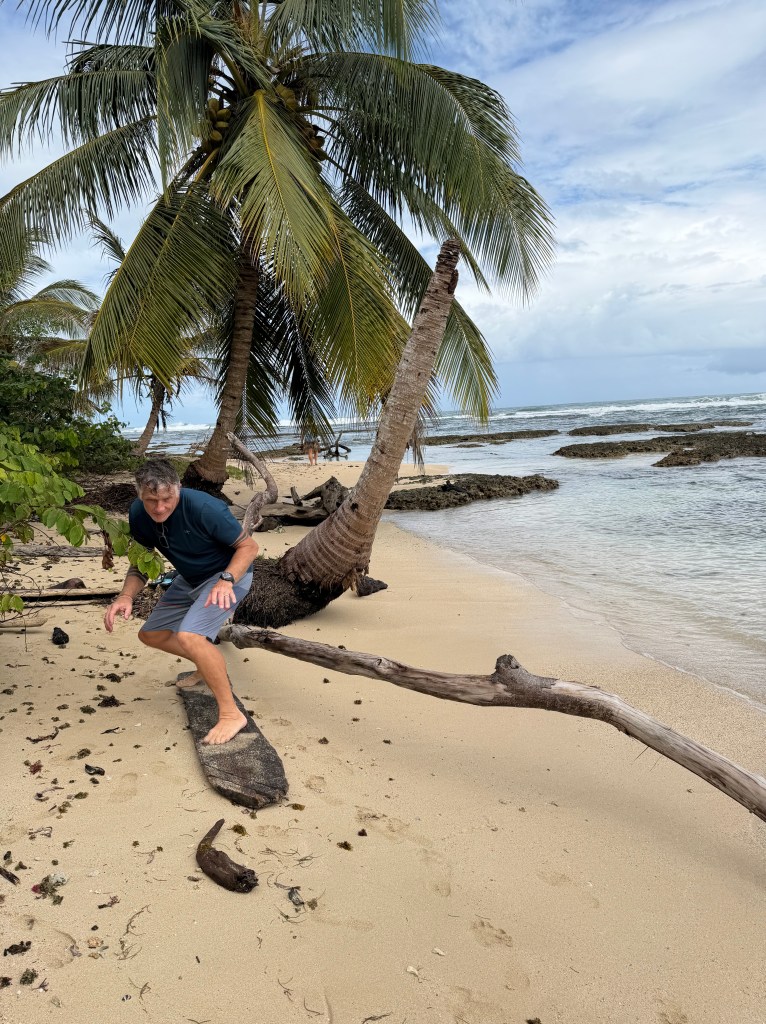
When I really think about what we are doing out there, it is preposterous. It is purposeless. It is torture. It is sunburn and burned retinas. It is sore muscles, broken bones, and lacerations. It is reef cuts and sea urchin spines in weird places. It is my old body screaming at me to grow the fuck up.
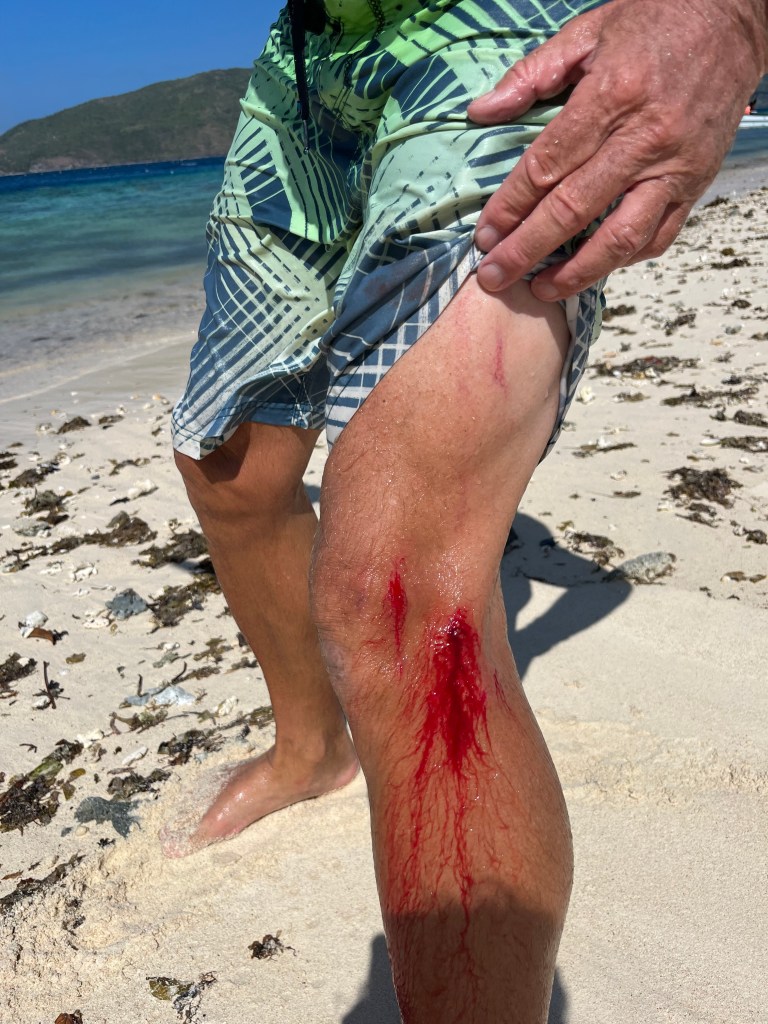
All that, just for the reward of those precious few seconds of clarity, before doing it all over again.
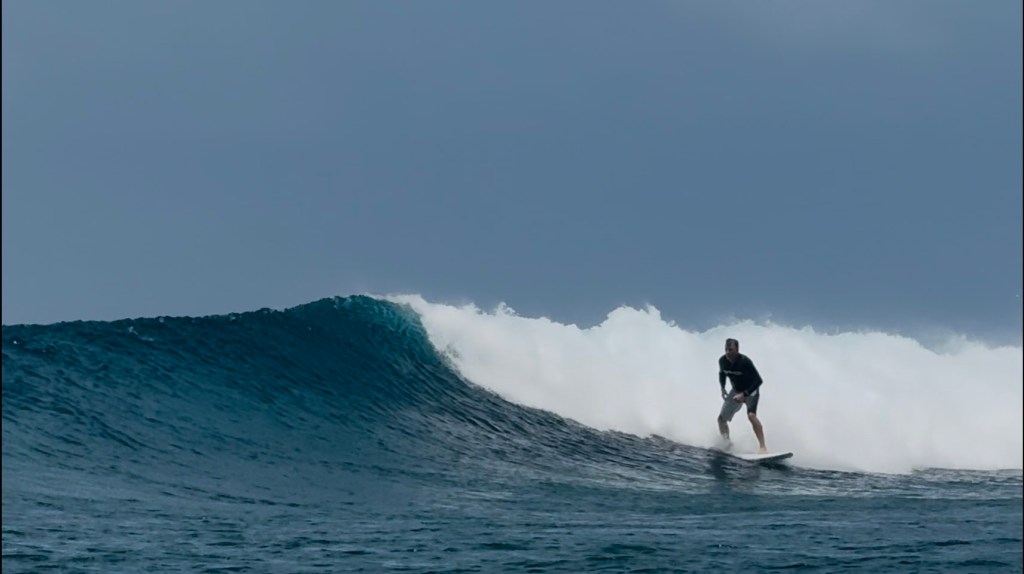
But it is clarity, and presence. It is the ocean and the fresh marine air. It is people, at their best and worst. It is the exhilaration of the occasional success while repeatedly throwing yourself at something that the odds dictate you will likely fail at. It is simplicity and purity, and, done properly, it is beauty painted on the canvas of chaos.
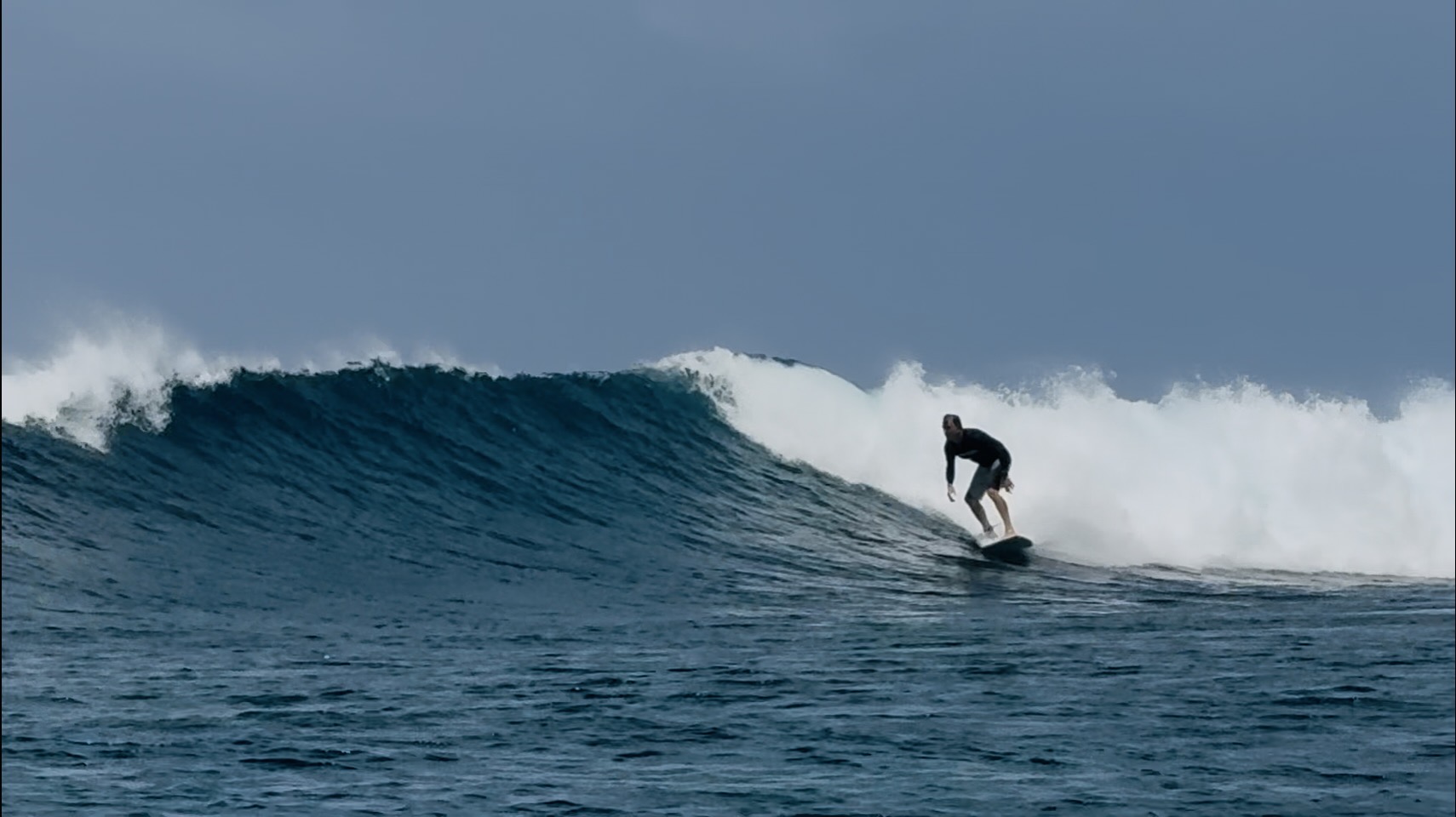
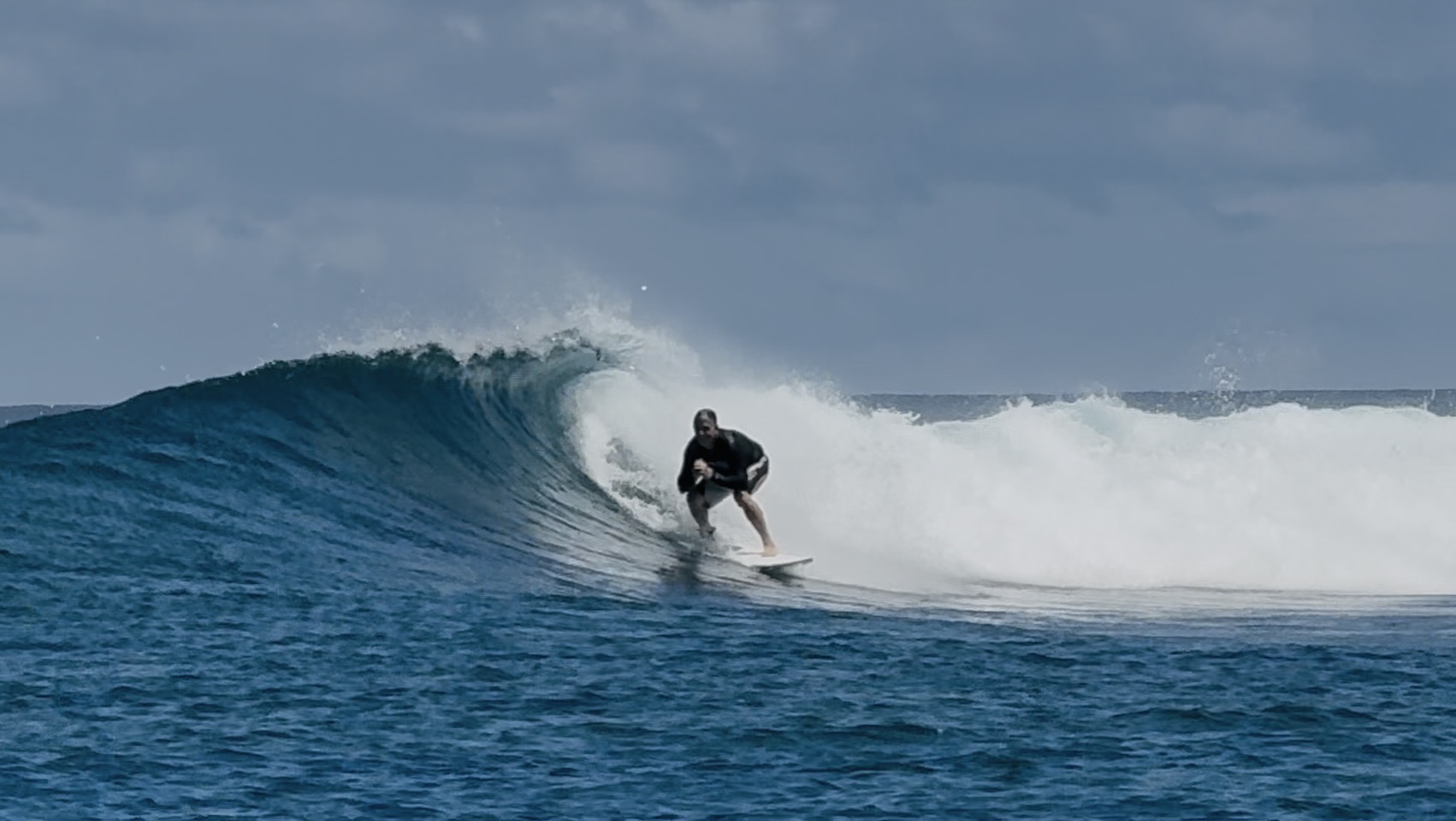
But, ultimately, it is my one-way ticket to Never Never Land, where I can enjoy the comeraderie and good-natured fun with some of my fellow Lost Boys, fight the pirates of my fear and doubt, and lose my shadow in the act of moving over water.
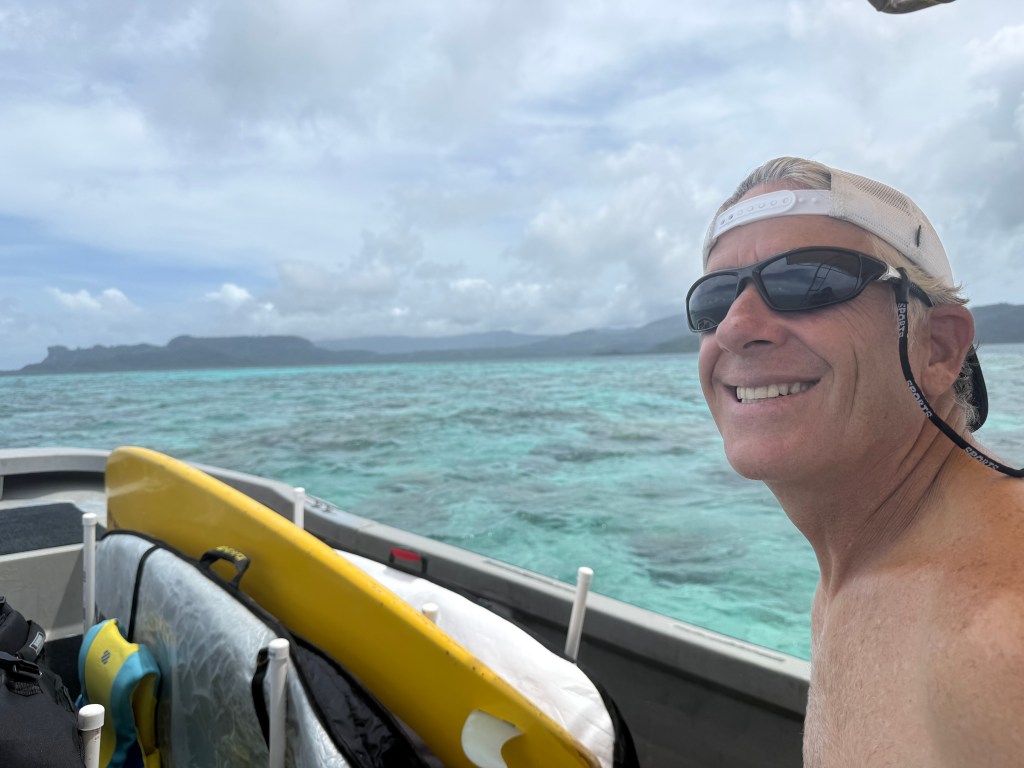

 Wind, Water, Waves, Wander